Storm Recovery Guide: Prioritizing Gutter Repair
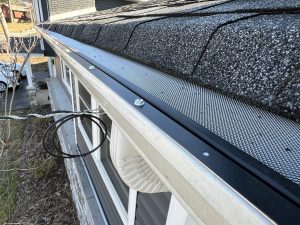
When a storm moves through, most homeowners look first at what feels urgent and visible. Missing shingles catch the eye. Fallen branches demand cleanup. A wet patch on the ceiling can turn a calm afternoon into a scramble for tarps and phone calls. Gutters, by contrast, are easy to overlook. They sit at the roofline, often out of sight, and they rarely seem dramatic unless a section has peeled off and landed in the yard.
That instinct to delay gutter work is understandable, but it is often expensive. After a windstorm, hail event, or day of relentless rain, gutter repair belongs near the top of the recovery list. The reason is simple: gutters do not merely collect water. They control where thousands of gallons go over the course of a season. If the system is bent, detached, clogged with storm debris, or leaking at the seams, the damage spreads quietly into fascia boards, siding, soil, basements, crawl spaces, and foundations.
I have seen homes where the roof survived with minor cosmetic wear, yet the real repair bill came months later from failed drainage. Water had run behind a loosened gutter, soaked the trim, and found its way into wall cavities. On another property, a short section of downspout had been knocked loose by a branch. The owner ignored it for two weeks because the house itself looked fine. Then the next rain dumped runoff beside the front corner of the foundation, and the finished basement developed a damp, musty smell that took far more money to address than the original gutter issue.
Storm recovery is about triage. You assess immediate safety concerns, stop active water intrusion, and then secure the parts of the building envelope that keep small problems from becoming structural ones. Gutter repair fits squarely in that second category. It is protective work, not cosmetic work.
Why gutters deserve early attention after a storm
A healthy gutter system does three jobs at once. It catches roof runoff, channels that water away from vulnerable building materials, and discharges it at a controlled location. During normal weather, even a mediocre system may limp along without obvious consequences. Storm conditions expose every weakness.
Heavy rain puts volume and velocity into the system. Wind can rack long gutter runs, loosen hidden hangers, and twist downspouts out of alignment. Hail can dent metal sections hard enough to disrupt pitch. Debris, especially seed pods, leaves, and shingle granules, can turn a functional trough into a dam. Ice, in colder regions, can compound all of it if the storm arrives in a freeze-thaw cycle.
This is where timing matters. A gutter does not have to fall off the house to fail. If it sags even a quarter inch in the wrong place, water may pool instead of flowing. Standing water adds weight. Weight stresses fasteners. Fastener failure lets the back edge pull away from the fascia. Once water slips behind the system, wood rot often starts where you cannot see it from the ground.
Homeowners sometimes ask whether they can postpone Gutter Repair until the roofer comes back for a larger project. Sometimes yes, but only if the gutter system is still directing water properly and the delay is short. In many cases, waiting through several rain cycles is what turns a manageable service call into replacement of trim, soffit, and possibly drainage corrections around the foundation.
The first walk-around after the storm
Before climbing anything, take a slow walk around the house from ground level. This is not just safer, it is surprisingly informative. You are looking for evidence, not trying to diagnose every detail on the spot.
Watch the roofline and eaves from several angles. A gutter that was once straight may now have a slight belly. Corners may separate at miters. End caps sometimes pop loose after a hard impact. Downspouts can pull away from the wall, especially at upper elbows where wind catches them. Splash marks on siding often tell you where water overflowed. Fresh soil washout below an eave suggests runoff is landing where it should not.
One practical trick is to inspect the area beneath each downspout discharge. If one section has far more debris, granules, or splatter than the others, that run may have taken the brunt of the storm. Another clue is sound. On a quiet evening after rain, you can sometimes hear dripping behind the gutter or along fascia boards where water is sneaking through a seam.
If there are power lines near the roof edge, leave the close inspection to a professional. The same caution applies if the storm involved lightning, large branch impacts, or visible structural movement. Storm recovery should never turn into a ladder injury.
What counts as urgent gutter damage
Not every dent justifies same-day service, but some conditions should move quickly to the front of the schedule.
- Gutters pulling away from the fascia or visibly detached
- Downspouts disconnected at upper joints or dumping at the foundation
- Water entering behind the gutter rather than into it
- Crushed sections that block flow or hold standing water
- Damage near entries, walkways, electrical equipment, or basement window wells
These are urgent because they either create active water exposure or pose a safety hazard. A detached section over a front walk can fall. A disconnected downspout near a foundation corner can saturate the soil in a single storm. Water running behind the gutter often means the fascia is already at risk.
By contrast, light cosmetic denting from hail may be lower priority if the pitch and flow remain correct. That said, even cosmetic damage deserves a closer look if the home has older seams, steel components with compromised coating, or existing wood trim issues. Storms have a way of finding the weak spot that was already there.
Hidden damage that homeowners often miss
One of the frustrating parts of storm recovery is that the visible mess is not always the costly part. Gutters can appear mostly intact while the supporting system has been compromised.
The fascia board is a common blind spot. When gutter fasteners loosen, they often wallow out the wood around them. You may see the screw head still in place and assume the attachment is sound. In reality, the wood fibers behind it may be softened from repeated wetting. Refastening into rotten fascia is not a repair, it is a short delay before the next failure.
Pitch is another subtle issue. Gutters need a slight slope toward the downspout. Too much slope looks odd and can reduce capacity at the high end. Too little slope leaves water standing. After a storm, a run may still look straight from the yard while having just enough distortion to trap water. Professionals often find this by testing with a level or running controlled water through the line.
Sealant failure is easy to miss, especially on older sectional systems. High winds and temperature swings can open tiny gaps at corners and joints. Those seams may leak only during heavy rainfall, so the system seems fine on dry days. If you see dark streaks on the outside face of the gutter, assume water has been escaping there repeatedly.
Then there is the roof edge itself. Shingle damage, bent drip edge, and clogged gutters often happen together. If a branch scraped the eave line, the gutter may not be the only component needing attention. Good storm recovery looks at the assembly, not just the trough.
Repair first, replace later, deciding what makes sense
Many gutter issues after a storm can be repaired effectively, but not every system is a good candidate. The decision depends on age, https://gravatar.com/jovial3028f70dde material, extent of damage, and how well the existing layout handled water before the storm.
Aluminum gutters, the most common residential option, are often repairable if the damage is localized. A few new hangers, a resealed corner, or a replaced downspout section can restore performance quickly. Steel systems can also be repaired, but once protective coatings are compromised, rust becomes a long-term concern. Vinyl is inexpensive and easy to replace in sections, though storm impacts and temperature brittleness sometimes make patchwork a short-lived solution.
The age of the installation matters. If a fifteen-year-old sectional system has multiple leaking joints, recurring clogs, and fascia softening in several areas, pouring money into repeated Gutter Repair may not be wise. On the other hand, a newer seamless system with one crushed run from a fallen limb is often worth targeted repair.
I usually suggest homeowners weigh three questions. First, is the system structurally sound apart from the storm damage. Second, does it have enough capacity for the roof area and local rainfall. Third, will a repair restore reliable drainage for several years, not just several months. If the answer to any of those is no, replacement may be the more economical move even when the initial invoice is higher.
The relationship between gutters and foundation problems
People often hear that bad gutters can affect a foundation and assume that means only dramatic cases. It does not. You do not need a flood to create trouble. Repeated saturation at the same spot is enough.
When downspouts discharge too close to the house, or when gutters overflow beside the wall, the soil expands and contracts more than it should. In clay-heavy regions, that movement can be especially hard on slab edges and foundation walls. In homes with basements or crawl spaces, chronic wetting raises humidity, supports mold growth, and increases the chance of seepage through small cracks.
A house does not need to be old for this to happen. I have seen relatively new homes with excellent roofing but poor storm drainage because builders used short downspout extensions and minimal splash control. One summer of severe storms left deep erosion channels in the mulch beds and water staining on the block wall inside the crawl space. The roof was not the problem. The water management was.
That is why storm recovery should include looking beyond the gutter itself. Where does the water go after it leaves the downspout? Is the grade sloped away from the house? Are extensions in place and intact? Has landscaping created a basin that traps runoff near the foundation? Gutter repair is most effective when discharge is handled properly too.
Working with insurance, contractors, and documentation
Insurance coverage for gutter damage varies with the policy and the cause of loss. Wind or impact damage from a covered storm event may qualify. Deferred maintenance and long-term wear usually do not. The line between those can become blurry, so documentation matters.
Take clear photos from multiple angles before temporary fixes change the scene. Include close shots of detached sections, bent hangers, seam separation, and any related issues such as fascia staining or soil erosion below. If a branch caused the damage, photograph the branch and the impact area. Keep notes on the date of the storm and what you observed afterward.
When a contractor inspects, ask them to separate storm-related findings from pre-existing wear. A good professional can usually explain which damage appears sudden and which reflects age or poor maintenance. That distinction helps with claims and also helps you make realistic repair decisions.
Be cautious with rushed door-to-door offers after major weather events. Storm-chasing crews can be legitimate, but some disappear once checks clear. Look for a local presence, proof of insurance, and a scope of work that spells out materials, attachment methods, disposal, and whether fascia repairs are included if needed. If the estimate simply says "fix gutters" without specifics, push for more detail.
Temporary steps you can take while waiting for service
If professional help is a few days out, some temporary measures can reduce further damage, provided you can do them safely from the ground or a stable ladder under dry conditions. The goal is not to improvise a permanent fix. It is to buy time and steer water away from vulnerable areas.
- Move loose debris away from downspout outlets and drainage paths
- Add a splash block or extension where discharge is landing near the house
- Rope off areas beneath unstable hanging sections
- Place a tarp over items at risk inside a basement or crawl space if seepage has started
- Photograph any changes after each rain so the repair priority stays clear
I would avoid the common temptation to force a sagging gutter back into position or to load joints with hardware-store caulk without cleaning and drying the area properly. Those quick fixes often fail on the next rain and can complicate a proper repair. If a section is actively separating, the safer move is often to keep people away from it and get a qualified crew there as soon as possible.
Material choices and storm performance
If a storm has pushed you from repair into replacement, it is worth thinking about resilience, not just appearance. Gutter systems fail in predictable ways, and better material choices can reduce repeat problems.
Seamless aluminum remains the default for many homes because it balances cost, corrosion resistance, and repairability. Thicker gauge material holds shape better under branch impact and ladder pressure, though no residential gutter is branch-proof. Copper is durable and attractive, but the price puts it in a different category and repairs require contractors comfortable with that material. Steel offers strength but needs proper finishing and maintenance to resist corrosion. Oversized gutters and downspouts can be a smart upgrade in regions with intense downpours or on roofs with large collection areas.
Attachment style matters as much as material. Modern hidden hangers generally outperform old spike-and-ferrule systems in storm conditions because they hold more securely and stress the fascia less when installed correctly. Fastener spacing should reflect local weather exposure and the loads expected from water, debris, and occasional ice.
Leaf protection is another judgment call. Guards can reduce clogging from storm debris, but they are not magic. Some designs shed leaves well and handle heavy rain effectively. Others create overshoot in hard downpours or become collection points for fine debris. Homes under pine trees, maples, or oaks all behave differently. There is no universal best option, which is why a site-specific recommendation matters more than a sales pitch.
Common mistakes after a storm
The most frequent mistake is treating gutters as an afterthought because there is no active leak inside the house. Interior symptoms often lag behind exterior drainage failure. By the time the indoor signs appear, the problem has usually been running for a while.
Another mistake is cleaning only the visible debris and assuming the system is back to normal. Debris removal helps, but it does not correct pitch, loose attachments, split seams, or crushed outlets. A gutter can be spotless and still fail badly in the next storm.
Some homeowners also replace isolated sections without checking compatibility. Mixing profiles, capacities, or outlet sizes can create bottlenecks that overflow under load. I have seen new sections installed neatly, only to drain into undersized older downspouts that could not keep up.
There is also a timing mistake that shows up every year. People wait until the rainy season is fully underway to schedule work, when contractors are busiest and response times stretch. If your area just experienced a major storm, assume many neighbors are calling too. Early inspection and prompt authorization can prevent a much longer period of exposure.
How to think about cost without underestimating risk
Gutter repair can seem deceptively simple, which leads some owners to benchmark it against small handyman tasks. Sometimes that is fair. A straightforward reattachment or downspout reconnection may be modest. But storm-related drainage issues become expensive when they involve hidden wood rot, difficult access, tall elevations, specialty materials, or the need to correct underlying design flaws.
The better way to frame cost is to compare the repair with what it protects. A few hundred dollars for targeted Gutter Repair may prevent thousands in fascia replacement, exterior painting, basement remediation, or landscape reconstruction. If the storm exposed that the system was undersized from the beginning, spending more now for a proper solution often saves you from repeat service calls every heavy season.
It helps to ask contractors for two numbers when appropriate: the cost to restore function now and the cost for a more durable upgrade if conditions warrant it. That gives you a real decision, rather than a vague sense that one estimate is simply "high." Sometimes the higher number includes thicker material, improved hanger spacing, larger downspouts, and corrected discharge routing. Those details matter more than the line item total alone.
A smart storm recovery mindset
Storm recovery is rarely just about fixing what broke on the day of the weather event. It is about restoring the building's defenses before the next stress test arrives. Gutters are one of those defenses that do their best work quietly. When they fail, the damage often shows up in places that seem unrelated at first, a damp basement corner, peeling paint on trim, mulch washed into a walkway, a musty crawl space, a hairline crack that suddenly feels more significant.
Prioritizing gutter repair does not mean ignoring the roof, siding, or trees. It means understanding the chain reaction that starts when roof runoff loses its path. If the house has taken a storm hit, give the gutter system the attention it deserves, early, carefully, and with an eye toward how water moves across the entire property. That is the kind of repair decision that pays you back every time it rains.
Just Gutters LLC
262 Main St
Hackettstown, NJ 07840, United States
Phone: +1 201-331-9454
FAQ About Gutter Repair
Is it cheaper to repair or replace gutters?
Repair can cost less when damage is limited and the remaining system is sound. Replacement may offer better value when leaks, corrosion, or repeated failures affect several sections. An inspection and written estimate can help compare the options.
Can damaged gutters be repaired?
Many localized problems, including leaking joints, loose brackets, sagging sections, and damaged downspout connections, can be repaired. The best approach depends on the material, extent of damage, and condition of the mounting surface.
Can I repair gutters myself?
Simple ground-level checks may help identify a problem, but roof-edge work carries fall risks and may require specialized tools. Professional assessment is advisable for high gutters, loose sections, hidden wood damage, or uncertain drainage problems.
Corrections
Spot something wrong? Send it to the desk and it gets fixed in the open.